

Once you and your healthcare provider have decided that hormone replacement therapy (HRT) should be explored, the next question often revolves around which form? Patches, pills, creams, and gels, as well as vaginal rings, could all be potential options; which one would best fit depends on factors including symptoms experienced, health history, and lifestyle choices.
Oral HRT (Pills)
How it works: Taken daily, oral estrogen is processed through the digestive system and liver before entering the bloodstream.
Pros:
- Familiar, simple routine (once a day, same time)
- Widely available and often the most affordable option
- Can be combined easily with oral progesterone
Cons:
- Oral estrogen passes directly through the liver (“first-pass metabolism”); therefore, it has a stronger impact on clotting factors and thus may carry with it an increased risk of blood clots than transdermal options – this risk becomes especially pertinent in women who smoke, are obese, have experienced previous blood clots themselves, or who come from families where there have been such instances in previous generations.
- Daily pill taking may be harder to remain consistent with than taking patches once or twice weekly, however.
Transdermal HRT (Patches)
How it works: A patch applied to the skin (typically the lower abdomen) releases estrogen steadily into the bloodstream, bypassing the liver.
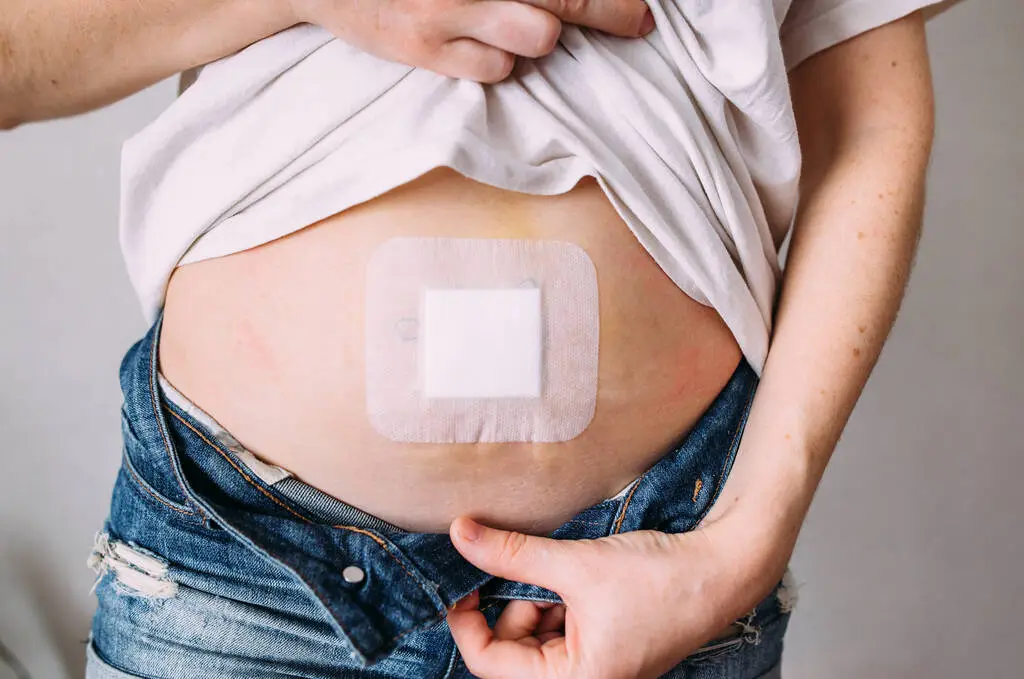
Pros:
- Because it skips first-pass liver metabolism, patches are generally associated with a lower risk of blood clots than oral estrogen, making them a common choice for women with certain cardiovascular risk factors.
- Applied just once or twice a week, which some find easier to remember than a daily pill
- Steady hormone delivery can mean fewer fluctuations in symptom relief throughout the day.
Cons:
- Skin irritation at the application site is possible
- Patches can occasionally loosen or fall off (swimming, sweating, hot showers)
- Visible on the skin, which some women prefer to avoid
Topical HRT (Gels and Creams)
How it works: Applied daily to the skin (often the arm or thigh), estrogen absorbs through the skin directly into the bloodstream, also bypassing the liver.
Pros:
- Similar clot-risk profile advantage to patches, since it avoids first-pass liver metabolism
- Dosing can sometimes be adjusted more precisely than with a patch
- No adhesive to worry about lifting or irritating skin
Cons:
- Requires care to avoid transferring the product to others (partners, children, pets) through skin contact before it fully absorbs
- Daily application required, similar to a pill routine
- Absorption can vary based on application technique and skin condition
Vaginal Estrogen (Cream, Ring, or Tablet)
As an aside: for women with symptoms related specifically to vaginal dryness, discomfort during sex, or urinary symptoms who cannot use systemic hormone therapy due to other health concerns, low-dose vaginal estrogen therapy may provide relief. As its absorption occurs locally with minimal systemic impact, it offers another viable choice that could even work for them!
So Which One Is “Best”?
There isn’t a single right answer — it depends on:
- Symptom Profile: For systemic symptoms (hot flashes, night sweats, and mood shifts), such as hot flashes or night sweats requiring systemic intervention such as patches or pills to address them effectively, while vaginal symptoms might require only local treatments such as vaginal douching.
- Health History: If a family history includes blood clots, migraines with auras, liver conditions, or cancerous growths, all can affect whether hormone replacement therapy (HRT) should even be utilized at all.
- Lifestyle: Some women prefer not having to think about taking daily pills; for others, visible patches or frequent gel application could become tedious tasks.
- How your body responds: Women often find that different delivery methods provide them with better relief from symptoms than others, even at similar doses; therefore, trial and adjustment with your provider might be required to find what best works.
When to Talk to a Provider
HRT decisions should always be discussed with a licensed clinician who can thoroughly assess your medical history, family background, and current symptoms. This step becomes even more vital if there is any history of blood clots, breast cancer, heart disease, or stroke – factors which could impact which options would best fit for you or if HRT should even be recommended at all.
FAQ: HRT Delivery Methods
Is the patch safer than the pill? Transdermal methods like patches are generally associated with a lower blood clot risk than oral estrogen because they bypass liver metabolism, but “safer” depends on individual risk factors — this is a conversation to have directly with your provider.
How long does it take for HRT to start working? Many women notice initial improvement in symptoms like hot flashes within a few weeks, though it can take up to three months to feel the full effect, and dosing sometimes needs adjustment along the way.
Can I switch from one HRT delivery method to another? Yes, switching methods is common if a woman isn’t tolerating a particular form well or if her provider recommends a different option based on symptoms or health changes. This should be done under medical guidance rather than on your own.
Does insurance typically cover HRT? Coverage varies significantly by plan and specific medication or brand. Checking with your insurance provider or a virtual care platform ahead of time can help clarify your specific costs.
This article is for informational purposes and isn’t a substitute for personalized medical advice. Talk to a licensed healthcare provider about your specific health history before starting or changing any hormone therapy.


