In my experience treating women with PCOS, one of the most common things I hear is, “My periods are irregular.” While irregular or missed periods are an important sign, PCOS is much more than a menstrual-cycle problem.
The Symptoms I See Most Often
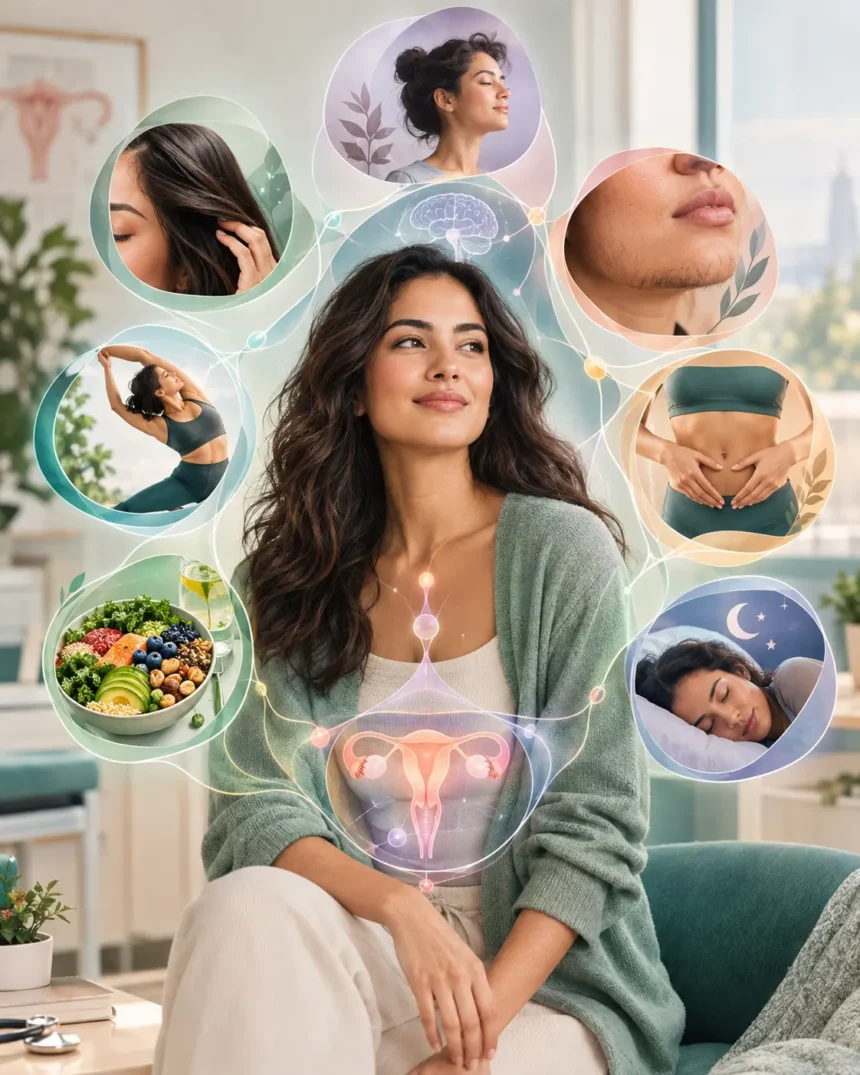
Many of my patients also struggle with facial hair growth, hair fall, weight gain around the abdomen, mood changes, and other hormonal changes. These symptoms can affect not only physical health but also confidence and emotional well-being.
That’s why I always encourage my patients to look at PCOS as a whole rather than focusing on just one symptom.
Small Lifestyle Changes Can Help
I’ve found that sustainable lifestyle changes can make an important difference in PCOS management.
I usually advise my patients to start with the basics: sleep well, stay physically active, and eat balanced meals. You don’t always need an intense workout routine—even regular, manageable exercise can be a good starting point.
The key is consistency rather than trying to change everything overnight.
PCOS Care Should Be Personalized
Every woman with PCOS is different. The symptoms, hormonal patterns, lifestyle, and health goals can vary considerably from one person to another.
This is why I don’t believe in a one-size-fits-all approach. Supplements or herbal products may be useful in certain situations, but they should be selected carefully and used appropriately rather than assuming that everything “natural” is automatically safe or effective.
Look Beyond Your Periods
After treating many women with PCOS, my biggest message is simple:
Don’t focus only on getting your periods regular. Focus on your overall hormonal and metabolic health.