

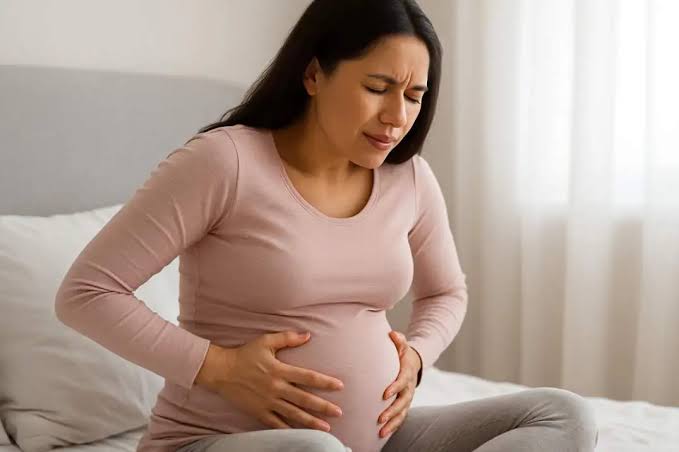
Low belly pain during pregnancy can make you stop and wonder, “Is this normal?”
Sometimes, it is simply part of your body changing as your pregnancy grows.
You may feel mild cramping, pressure, pulling, or an ache that comes and goes.
But pregnancy pain can have many causes, so it is important to pay attention to how the pain feels and what other symptoms you have.
Some Lower Belly Pain Can Be Normal
Your body changes a lot during pregnancy.
As your uterus grows, the muscles and ligaments around it stretch. This can cause mild discomfort, especially when you move suddenly, stand up, cough, sneeze, or turn in bed.
Gas and constipation can also cause lower belly discomfort during pregnancy.
Mild pain is often less concerning when it improves with rest, changing position, passing gas, or having a bowel movement.
Round Ligament Pain Can Feel Sharp
Round ligament pain is common during pregnancy, especially as the uterus grows.
It may feel like a quick sharp pain, pulling, or ache low in your belly or groin. It can happen after a sudden movement or when you change positions.
You might notice it when:
- Getting out of bed
- Standing up quickly
- Turning over
- Coughing or sneezing
- Walking or exercising
It usually settles after you slow down and rest.
Constipation and Gas Can Also Cause Pain
Pregnancy hormones can slow digestion.
That can lead to constipation, bloating, and gas, which may cause cramping or pressure in your lower belly.
Drinking enough fluids, eating fiber-rich foods, and staying gently active can help support healthy digestion.
If constipation is severe or the pain continues, talk with your healthcare professional.
Sometimes Low Belly Pain Needs Medical Attention
Not every type of pregnancy pain is something to watch at home.
Lower belly pain can sometimes happen with a urinary tract infection, miscarriage, ectopic pregnancy, preterm labor, or other pregnancy complications.
The pain itself does not always tell you what is happening.
The other symptoms matter too.
Pay Attention to Other Symptoms
Contact your healthcare professional if your pain comes with vaginal bleeding, unusual discharge or fluid leakage, painful urination, fever, regular tightening or cramping, or lower back pain.
You should also seek advice if the pain is getting worse or does not improve with rest.
Later in pregnancy, a change in your baby’s usual movements should also be checked.
One-Sided Pain Early in Pregnancy
If you are in early pregnancy and have pain mainly on one side, especially with bleeding, dizziness, fainting, or shoulder-tip pain, seek medical care promptly.
An ectopic pregnancy can cause these symptoms and needs urgent medical assessment.
Do not wait for the pain to become severe before getting help.
What If the Pain Is Severe?
Severe or sudden belly pain should not be ignored.
Seek urgent medical care if you have severe pain, heavy bleeding, fainting, significant dizziness, fever, or other symptoms that make you feel seriously unwell.
If you are unsure whether something is normal, it is always okay to contact your maternity team or healthcare professional.
You are not wasting anyone’s time by asking.
What Can You Try for Mild Discomfort?
If the pain is mild and you otherwise feel well, give yourself a chance to slow down.
Try:
- Resting for a while
- Changing your position
- Avoiding sudden movements
- Drinking water
- Paying attention to constipation or gas
- Noticing whether certain activities bring the pain on
Do not take medication for pregnancy pain without checking that it is appropriate for you.
Pay Attention to Your Body
Pregnancy comes with plenty of new sensations.
Some are completely normal.
Others need a closer look.
You do not need to panic every time you feel a cramp.
But you also do not need to ignore something that feels unusual.
Think about where the pain is, how strong it is, how long it lasts, and what happens along with it.
That information can help your healthcare professional understand what may be happening.
When in Doubt, Ask
There is no prize for waiting until pregnancy pain becomes unbearable.
If something does not feel right, contact your healthcare professional.
A quick conversation can give you reassurance or help you get care when you need it.
Your body is changing, but that does not mean you have to guess about every new symptom.
Listen to your body.
Pay attention to changes.
And when you are unsure, get checked.
Medical Disclaimer
This article is for general health information only and does not replace medical advice, diagnosis, or treatment. Low belly pain during pregnancy can have many causes, and the appropriate evaluation depends on your stage of pregnancy, symptoms, and health history. If you experience severe or persistent pain, vaginal bleeding, fluid leakage, fever, dizziness, fainting, difficulty breathing, or other concerning symptoms, seek medical care promptly.
References
- National Health Service. Stomach Pain in Pregnancy.
- National Health Service. Pregnancy Symptoms You Need to Get Help For.
- National Health Service. Ectopic Pregnancy Symptoms.
- National Health Service. Miscarriage.
- American College of Obstetricians and Gynecologists. Ectopic Pregnancy.
- American College of Obstetricians and Gynecologists. Preterm Labor and Birth.