

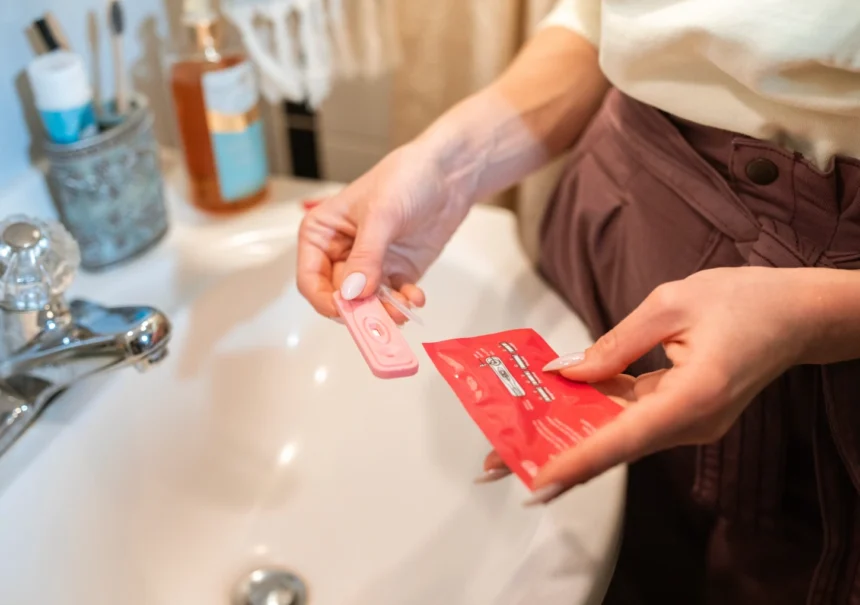
If you had unprotected sex or your birth control failed, you may be wondering what you can do to prevent pregnancy.
That is where emergency contraception can help.
Emergency contraceptive pills are designed to reduce the chance of pregnancy after unprotected sex or birth-control failure. They work best when taken as soon as possible.
When Should You Take Emergency Contraception?
The sooner you take an emergency contraceptive pill, the better.
Different options have different time windows, so check the instructions for the specific medicine you are using.
Emergency contraception may be used after:
- Unprotected sex
- A condom breaks or slips
- Missed birth-control pills
- A contraceptive method was used incorrectly
- Another birth-control failure
Emergency contraception is not the same as an abortion pill. It works mainly by preventing or delaying ovulation and does not end an established pregnancy.
What Types of Emergency Contraception Are Available?
There are two main types of emergency contraceptive pills.
Levonorgestrel is commonly sold as a single-dose emergency contraceptive pill and works best when taken as soon as possible after unprotected sex.
Ulipristal acetate can be taken later after unprotected sex and may work better than levonorgestrel when more time has passed.
There is also a copper IUD, which can be placed by a healthcare professional and is the most effective form of emergency contraception.
How Do You Take the Pill?
Follow the instructions that come with your specific emergency contraceptive.
Most emergency contraceptive pills are taken as a single dose.
Take it as soon as possible after the contraceptive failure.
Do not take extra doses unless the product instructions or a healthcare professional tell you to.
If you vomit soon after taking the pill, contact a pharmacist or healthcare professional because you may need another dose.
What Happens After You Take It?
Your next period may come earlier or later than expected.
You may also notice temporary effects such as nausea, headache, tiredness, breast tenderness, or mild abdominal discomfort.
These effects usually settle on their own.
Emergency contraception does not protect you from sexually transmitted infections, and it does not provide ongoing pregnancy protection for the rest of the month.
What If Your Period Is Late?
Emergency contraception can change the timing of your next period.
If your period is more than a week late, or if you do not get your expected period within about three weeks after taking emergency contraception, take a pregnancy test and speak with a healthcare professional.
If you develop severe lower abdominal pain, especially with a positive pregnancy test, seek medical care promptly.
A Few Important Things to Know
Emergency contraception is for occasional use after contraceptive failure. It is not intended to replace regular birth control.
If you need emergency contraception often, it may be worth talking with a healthcare professional about a birth-control method that fits your routine better.
And remember, you do not need to feel embarrassed about asking for emergency contraception.
Birth control does not always go perfectly.
What matters is knowing your options and getting help when you need it.
Medical Disclaimer
This article is for general health information only and does not replace medical advice, diagnosis, or treatment. Emergency contraception may not be appropriate for everyone, and the best option can depend on the medicine, timing, other medications, and individual health circumstances. Always follow the product instructions and speak with a pharmacist or healthcare professional if you are unsure what to take or how to take it.
References
- World Health Organization. Emergency Contraception.
- Centers for Disease Control and Prevention. Emergency Contraception.
- American College of Obstetricians and Gynecologists. Emergency Contraception.
- U.S. Food and Drug Administration. Emergency Contraception.
- Faculty of Sexual and Reproductive Healthcare. Emergency Contraception Guidelines.